
- Shop by Generic (A-Z)
- Shop by Health Condition
- Acid Reflux & Stomach Ulcer
- Allergy & Hay Fever
- Arthritis & Joint Pain
- Cancer Care
- Chest Infection & Pneumonia
- Cold & Flu
- Diabetes
- Ear Infection
- Hepatitis & Liver Disease
- High Blood Pressure
- Infertility & PCOS
- Kidney Stones
- Pain Relief
- Period Pain
- Sinusitis
- Skin Infection
- Throat Infection & Tonsillitis
- Thyroid Disorders
- Typhoid
- Urinary Tract Infection (UTI)
- View All Health Conditions
- Herbal & Unani
How to Choose a Glucometer for Home Use: Buyer Guide

✓Reviewed by Dr Asma
Reviewed by Dr Asma
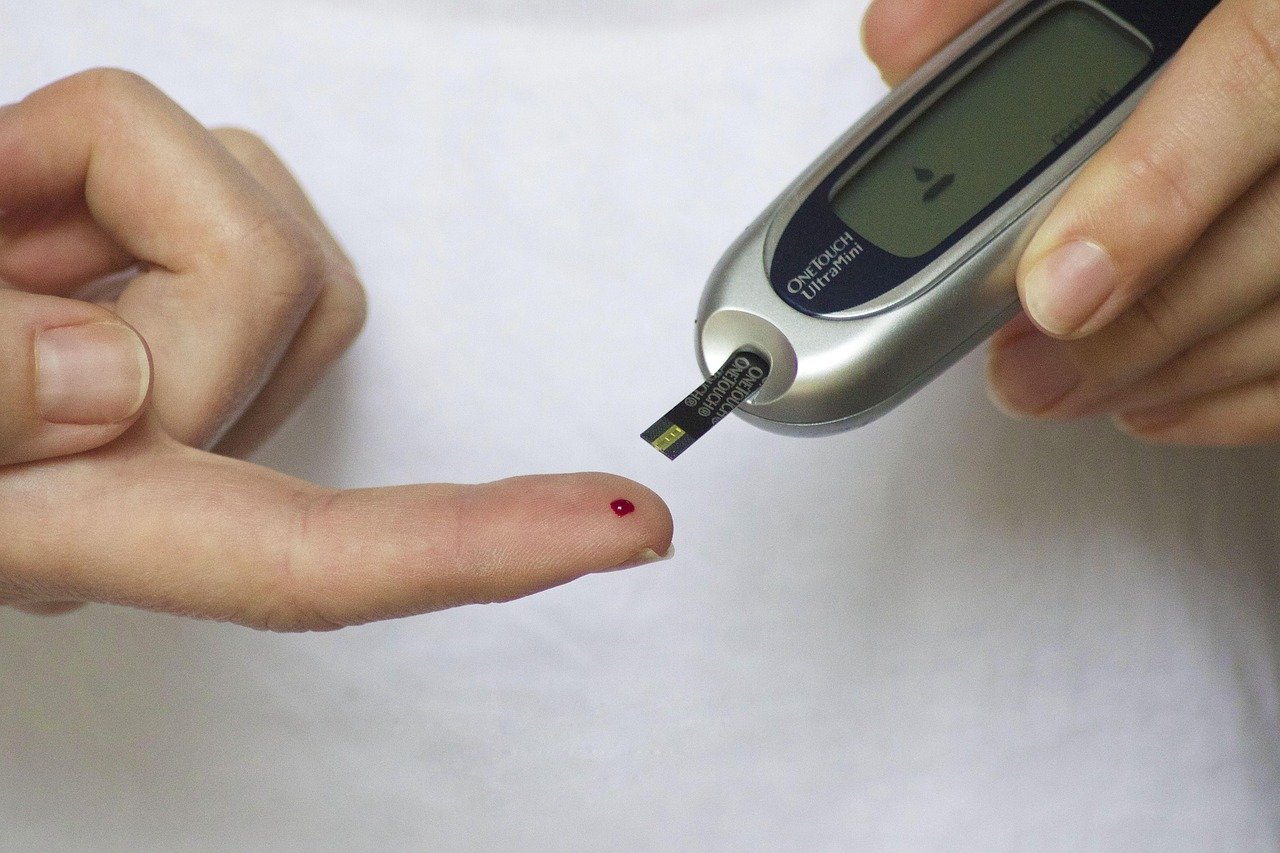
If you or someone in your family lives with diabetes, a glucometer is one of the most useful devices you can own. It lets you check blood sugar at home in under a minute, so you can see how food, exercise, stress and medicines affect you. But the market is full of brands, and the cheapest meter is not always the best value. This guide explains how to choose a glucometer that suits you.
Why home testing is worth it
A lab test shows your sugar at one moment, or your average over three months. A home meter fills in the gaps. It helps you spot high or low readings early, understand which meals push your sugar up, and give your doctor useful information at each visit. People who are newly diagnosed, use insulin, are pregnant, or are changing their treatment benefit the most. If you are not yet diagnosed but have symptoms, start with our guide to the early signs of diabetes and see a doctor for a proper test.
Key things to look for
1. Accuracy
This is the most important feature. Look for meters that follow recognised international accuracy standards, and ask your doctor or pharmacist which brands they trust. No home meter is perfect, but a good one stays close to the lab result. Compare your meter once with a lab test to see how it behaves.
2. Cost of test strips
The meter itself is a one time purchase, but strips are a repeated cost. A meter that is cheap today can become expensive if its strips cost a lot. Work out the monthly cost for the number of tests your doctor recommends. Also check that strips are easily available in your city, and always check the expiry date on the box.
3. Ease of use
Choose a meter with a large, clear display, simple buttons and a small blood sample requirement. This matters a lot for older people and those with weak eyesight or shaky hands. A backlight is helpful for night testing, and some meters speak the result aloud.
4. Speed and memory
Most modern meters show a result in about five to ten seconds and store hundreds of readings. Memory with date and time lets your doctor see patterns. Some meters connect to a phone app, which is useful if you like tracking numbers, but it is not essential.
5. Lancing device and comfort
Check that the lancing device has adjustable depth, so you can use a shallow setting and reduce pain. Always use a fresh lancet and never share lancets or meters with others.
How to test correctly
- Wash your hands with soap and warm water, and dry them completely. Sugary food residue on a finger can give a falsely high reading.
- Insert a fresh strip, prick the side of your fingertip, and apply the drop of blood as shown in the leaflet.
- Write down the result with the time and whether it was before or after a meal.
- Store strips in their original container with the lid tightly closed, away from heat and moisture.
- Replace the battery when the meter shows a low battery sign.
Your doctor will tell you what range is right for you and when to test. Targets are different for different people, such as pregnant women, children and older adults. If you are pregnant, our article on gestational diabetes may help.
Where to buy
Buy from a trusted pharmacy so that you get a genuine, unexpired device and matching strips. You can browse meters and strips in our glucometers and strips section, and see diabetes care items in the diabetes category. Free delivery applies to orders above Rs 10,000.
When to call your doctor
Contact a doctor if your readings are repeatedly much higher or lower than your usual range, or if you feel confused, shaky, very thirsty, or pass a lot of urine. Seek urgent help if you feel faint, are drowsy or breathing fast, or if sugar is very low and does not improve. Do not change your medicine based on a home reading unless your doctor has told you how.
Frequently asked questions
Which is the best glucometer?
There is no single best one for everyone. The right choice is an accurate meter with strips that are affordable and easy to find, and a design you can use comfortably.
Why do I get different readings from two meters?
Small differences are normal. Meters are allowed a margin of error. If the gap is large, check the strip expiry, your technique and the meter with your doctor.
Can I use expired strips?
No. Expired strips can give wrong results. Always check the date and discard strips that are old or were stored in damp or hot conditions.
How often should I test?
It depends on your treatment and your doctor’s advice. Some people test daily, others a few times a week.
Is a glucometer enough to diagnose diabetes?
No. Diagnosis needs a laboratory test ordered by a doctor. A home meter is for monitoring.
Disclaimer: This article is for general information only and is not a substitute for medical advice. Please consult a qualified doctor or pharmacist before starting or changing any treatment.














