
- Shop by Generic (A-Z)
- Shop by Health Condition
- Acid Reflux & Stomach Ulcer
- Allergy & Hay Fever
- Arthritis & Joint Pain
- Cancer Care
- Chest Infection & Pneumonia
- Cold & Flu
- Diabetes
- Ear Infection
- Hepatitis & Liver Disease
- High Blood Pressure
- Infertility & PCOS
- Kidney Stones
- Pain Relief
- Period Pain
- Sinusitis
- Skin Infection
- Throat Infection & Tonsillitis
- Thyroid Disorders
- Typhoid
- Urinary Tract Infection (UTI)
- View All Health Conditions
- Herbal & Unani
Ramzan Health Tips: How to Fast Safely and Stay Healthy

✓Reviewed by Dr Asma
Reviewed by Dr Asma
Ramzan is a month of discipline and reflection, and for most healthy adults fasting is safe. But long hours without food or water, late nights and rich iftar tables can leave people tired, bloated and dehydrated by the second week. A little planning makes a big difference. This guide shares practical Ramzan health tips for sehri, iftar and everything in between, plus a note on who should talk to a doctor before fasting.
Start with a proper sehri
Sehri sets the tone for your whole day. Skipping it, or eating only a quick tea and biscuit, usually means a headache and low energy by afternoon. Aim for foods that release energy slowly: oats, whole wheat roti or paratha made with little oil, eggs, daal, yoghurt and a banana or other fruit. Add a glass of milk or lassi if it suits you.
Go easy on salty pickles, heavily spiced curries and fried items at sehri. They make you thirsty within hours. Drink water steadily until the sehri time ends instead of gulping a large amount at once.
Break your fast gently
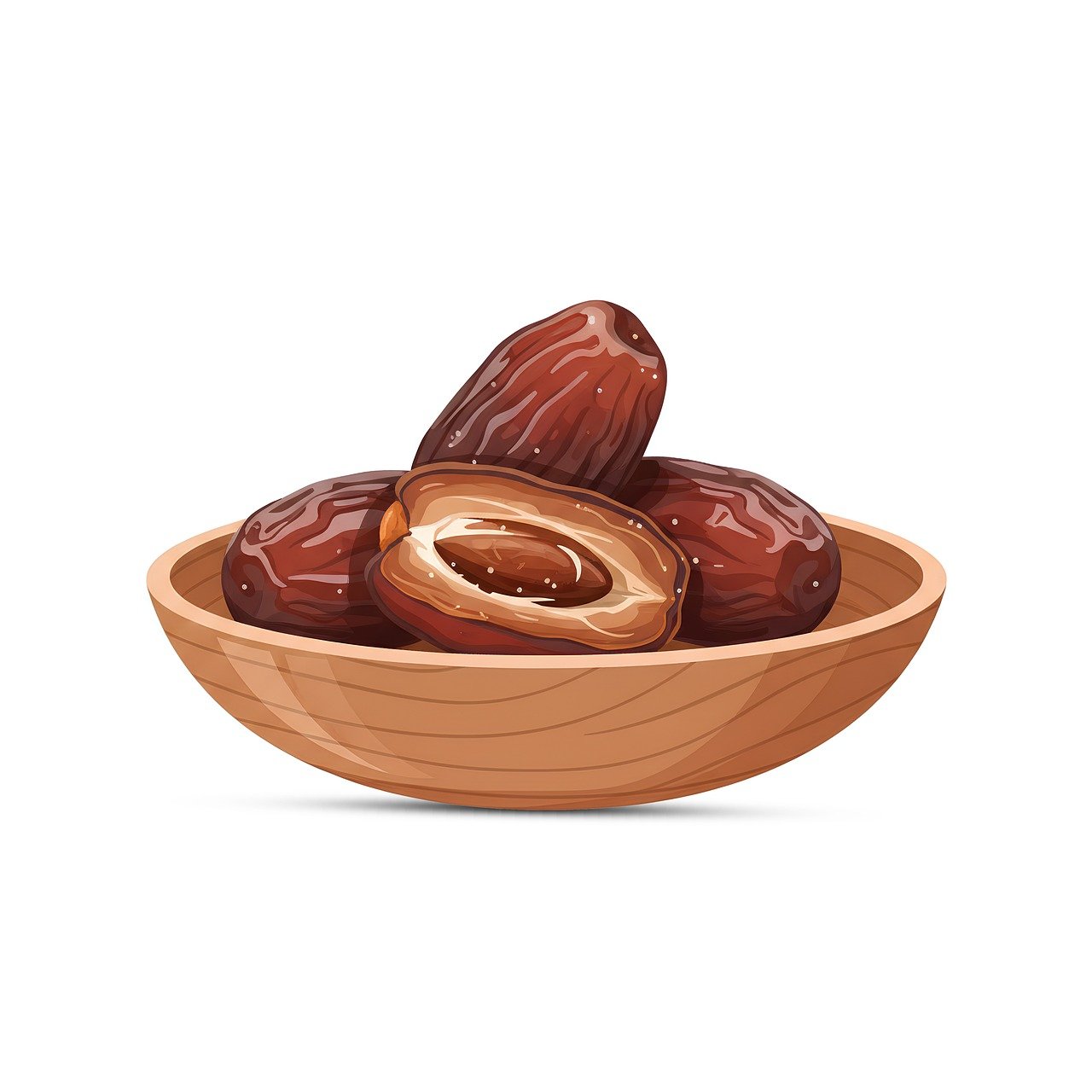
The sunnah of opening the fast with dates and water is also good science. Dates give quick natural sugar and water rehydrates you. After that, pause for prayer, then eat a balanced meal. Many people rush into samosas, pakoras and sweet drinks on an empty stomach and then feel heavy and sleepy.
- Start with dates, water and perhaps a fruit chaat or soup.
- Take a proper meal after a short break: grilled or curry chicken, daal, vegetables, rice or roti.
- Keep fried snacks and sugary sharbat as a small treat, not the main meal.
- Eat slowly and stop before you feel stuffed.
Drink enough between iftar and sehri
Dehydration is the most common Ramzan complaint. Spread your water through the evening and night, a glass or two every hour or so, rather than drinking a lot at once. Milk, lassi, coconut water, lemon water and fresh juice also help. Tea and coffee make you pass more urine, so keep them modest. If you sweat a lot, work outdoors or live in a hot place, you may also need oral rehydration salts. You can look at the dehydration and electrolyte care section for suitable products, and ask your pharmacist what fits you.
Look after your stomach
Heartburn, bloating and constipation all rise during Ramzan because meal timing and food types change. To reduce acidity, avoid lying down straight after iftar, cut back on spicy and oily food, and walk gently for ten to fifteen minutes. Our guide on acid reflux and GERD explains the common triggers, and the acid reflux and ulcer category has related products.
For constipation, add fibre in the form of fruit, salad, daal, whole grains and isabgol if your doctor agrees, and drink enough water. Read more in our article on constipation causes and home remedies.
Stay active, sleep well
Light exercise such as a walk after iftar or before sehri keeps digestion and mood in good shape. Heavy workouts in the afternoon are not a good idea while fasting. Try to get six to eight hours of sleep by combining a night sleep with a short afternoon rest. Irregular sleep affects blood pressure, mood and concentration.
Who should check with a doctor first
Fasting is not suitable for everyone, and Islam itself gives relief to those who are ill. Please speak to your doctor before fasting if you have any of these:
- Diabetes, especially if you use insulin or take medicines that can cause low sugar. Read our guide on the early signs of diabetes and see the diabetes category, but do not adjust medicines on your own.
- High blood pressure or heart disease. See our article on high blood pressure.
- Kidney disease, kidney stones or a history of repeated urine infections.
- Pregnancy or breastfeeding.
- Any long term illness where your medicines must be taken at fixed times.
If you take regular medicines, your doctor can often adjust the timing so that you can take them at sehri and iftar. Never stop or change a medicine by yourself. Store your medicines properly as well, as explained in our guide on how to store medicines at home.
Boost your immunity naturally
Fresh fruit, vegetables, enough protein and good sleep do more for immunity than any quick fix. If you often feel weak or have a known vitamin shortage, ask your doctor which supplements are right for you. The immunity, energy and wellness category has options you can discuss with your pharmacist. Free delivery applies to orders above Rs 10,000.
Break the fast and seek help if you feel unwell
Your health comes first. If you feel faint, confused, have severe headache, vomiting, a racing heart, very dark urine, or your blood sugar becomes very low, it is permitted and wise to break your fast and see a doctor.
Frequently asked questions
Can I drink water at sehri to avoid thirst all day?
Drinking water steadily helps, but a huge amount at once just makes you pass it out. Spread your fluids across the night and include foods with water, like fruit, yoghurt and soups.
Is it okay to take medicines while fasting?
Tablets and capsules taken by mouth normally break the fast. Many medicines can be moved to sehri and iftar, but only your doctor should decide the timing.
Why do I get headaches while fasting?
Common causes are dehydration, low sugar, less caffeine than usual and poor sleep. Eat a good sehri, drink enough water at night and cut caffeine slowly before Ramzan starts.
How can I avoid weight gain in Ramzan?
Control portions at iftar, limit fried food and sweets, and take a walk after meals. Eating slowly also helps.
Can children fast?
Fasting is not obligatory for young children. Growing children need regular meals and fluids, so it is better to build the habit gradually.
Disclaimer: This article is for general information only and is not a substitute for medical advice. Please consult a qualified doctor or pharmacist before starting or changing any treatment.