Azithromycin: Uses, Side Effects & Brands in Pakistan
Azithromycin is a macrolide antibiotic available as tablets, capsules, suspensions and injections. It stays in the body for a long time, so courses are usually short.
What is Azithromycin used for?
- Chest infections such as bronchitis and pneumonia
- Throat, sinus and ear infections
- Skin infections
- Some sexually transmitted infections, such as chlamydia
- Typhoid fever, including XDR typhoid, when a doctor decides it is suitable
Common side effects of Azithromycin
Not everyone gets side effects. Those reported more often include:
- Diarrhoea, nausea or stomach pain
- Headache
- Dizziness
- Changes in taste
Get medical help if you have a fast or irregular heartbeat, fainting, severe diarrhoea, yellowing of the skin or eyes, or signs of a serious allergic reaction.
Precautions before using Azithromycin
- Tell your doctor if you have heart rhythm problems or take other medicines that affect heart rhythm.
- Tell your doctor if you have liver disease.
- Do not take it if you are allergic to erythromycin, clarithromycin or other macrolides.
- Antibiotics do not help colds and flu; unnecessary use adds to antibiotic resistance.
- Finish the full course as prescribed.
Frequently asked questions about Azithromycin
Is azithromycin used for XDR typhoid?
Doctors in Pakistan commonly prescribe azithromycin for uncomplicated XDR typhoid. Severe cases need hospital treatment. Typhoid should always be treated under a doctor’s care.
Why is an azithromycin course so short?
Azithromycin stays in the body for several days after the last dose, so a short course keeps working for longer than it seems.
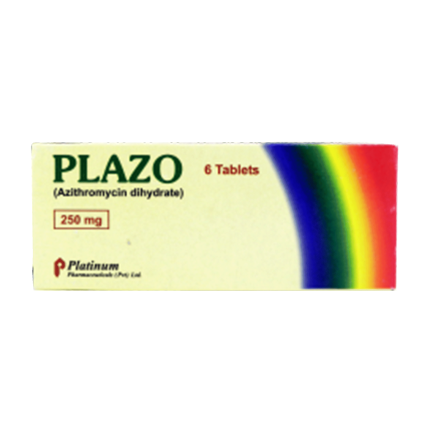
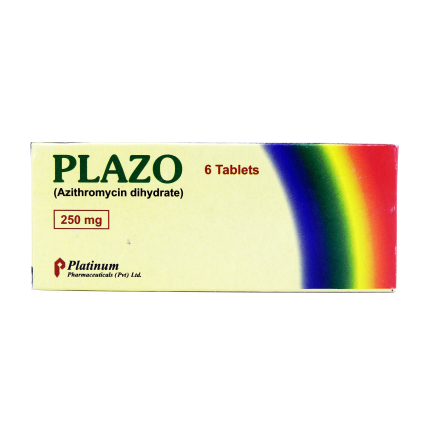
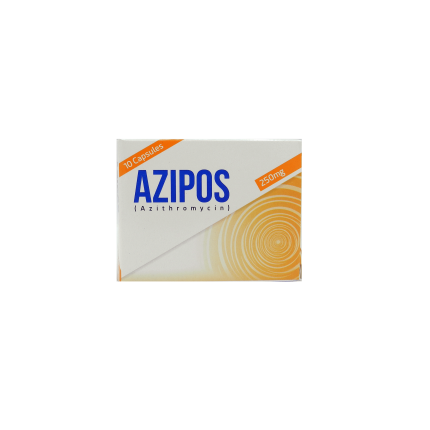
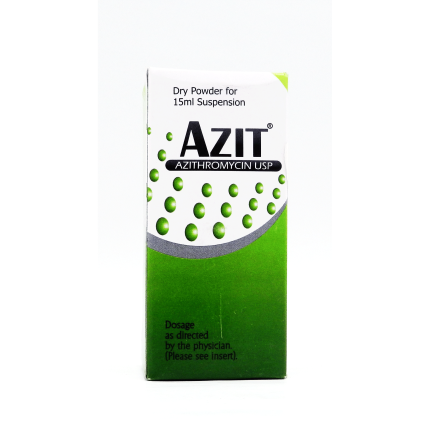
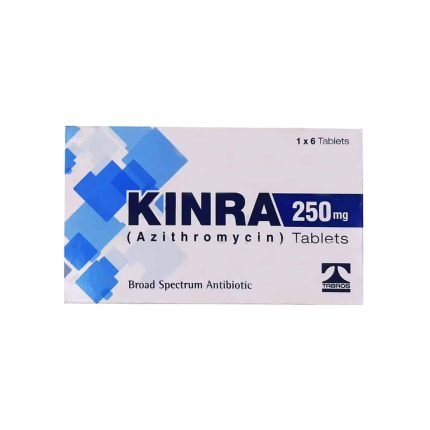
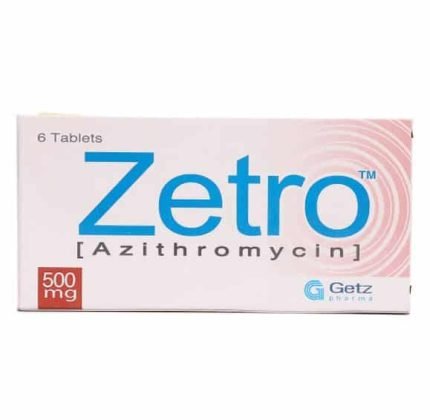
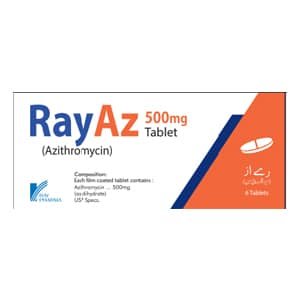
Azithromycin brands and prices in Pakistan
Medimart lists 220+ products containing Azithromycin from different manufacturers. Compare strengths, pack sizes and prices below and order with cash on delivery.